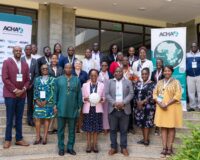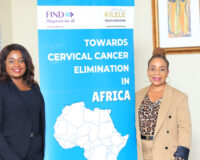
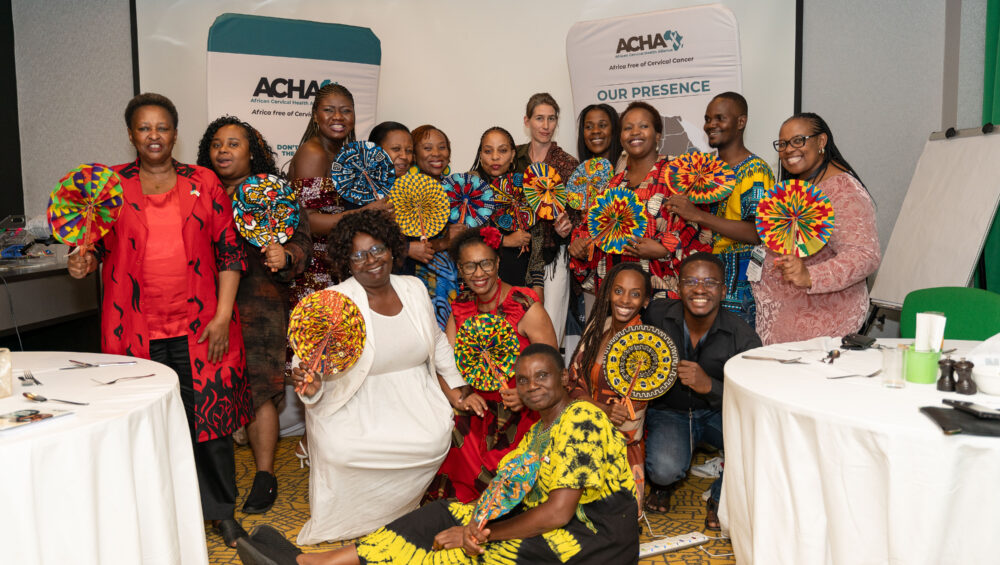
On November 14th, Africa Cervical Health Alliance (ACHA) celebrated its first anniversary with a virtual gathering of Civil Society Organizations (CSOs) from across Africa and beyond. The event highlighted ACHA’s accomplishments and reaffirmed its commitment to eliminating cervical cancer in Africa by 2030.
Founded in November 2023, ACHA has made significant strides in raising awareness, expanding access to screening, and shaping health policies to advance cervical cancer prevention.
Eve Mayaah, ACHA’s Secretariat, outlined the organization’s strategic focus through five critical workstreams:
- Targeted Advocacy Research: Conducting research to inform evidence-based advocacy and influence health policies
- Capacity Building and Training: Equipping healthcare providers and community leaders with the skills to deliver highquality cervical health services.
- Sustainable Fundraising and Resource Mobilization: Securing resources to support ongoing cervical cancer prevention initiatives.
- Strategic Community Engagement and Outreach: Collaborating with local communities to ensure culturally relevant and effective interventions.
- Standardized Communications and IEC Materials: Developing culturally sensitive, accurate, and evidence-based materials to spread awareness about cervical cancer prevention and treatment.
“These efforts address critical aspects of prevention and care,” Mayaah explained. “By adapting our initiatives to local needs, we ensure that our impact is both culturally relevant and effective.”
Survivor’s Voice: The Power of Early Detection
Deirdre Madise, a cervical cancer and HIV advocate from Malawi, shared her personal journey, underscoring the importance of early detection and the fight against stigma. “With the right resources and commitment, eliminating cervical cancer by 2030 is achievable,” she stated, calling for increased investment in healthcare infrastructure and public awareness. She urged other survivors to share their stories to inspire awareness and action.
Tools for Progress: Key Initiatives Announced
Jacqueline Ogingo, Programs Officer at Kilele Health Association, introduced two vital tools ACHA plans to implement in advancing cervical health:
- ACHA Aspire Scorecard: A tool designed to track vaccination rates, screening programs, and civil society engagement, ensuring governments remain accountable to cervical cancer elimination goals.
- ACHA Information, Education, and Communication (IEC) Materials: Standardized resources adapted to country-specific needs. These materials use validated, evidence-based, and culturally sensitive messaging to educate communities about HPV vaccination, early detection, and other cervical cancer prevention measures.
Next Steps: Call to Action
To sustain momentum, the event outlined key priorities:
- Advocate for political support to ensure the widespread adoption of ACHA’s tools.
- Mobilize additional funding to sustain community engagement efforts.
- Strengthen partnerships with CSOs to hold governments accountable for cervical cancer elimination commitments.
- Encourage community-driven initiatives for affordable HPV vaccinations and screenings.
A Vision for the Future
In her closing remarks, Eve Mayaah reaffirmed ACHA’s unwavering commitment to eliminating cervical cancer as a public health issue in Africa. “Together, we can achieve cervical cancer elimination by 2030 through the implementation of the WHO’s global strategy,” she emphasized, calling on all members to sustain their collaborative efforts and maximize the use of ACHA’s resources.
ACHA’s first anniversary was more than a celebration of past achievements—it was a rallying cry for ongoing advocacy, strengthened partnerships, and innovative solutions in the fight against cervical cancer.